

34·
1 day agoFork found in kitchen

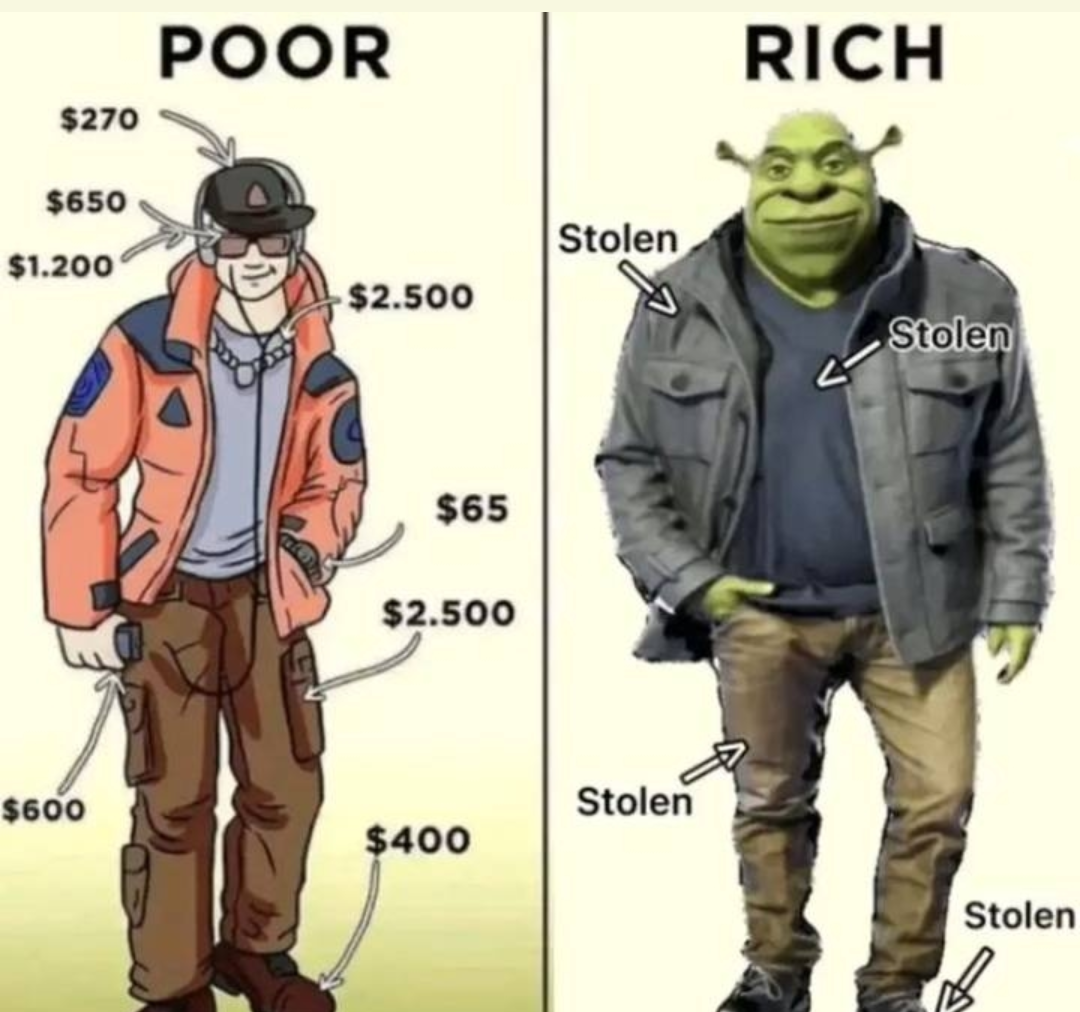
Pro-stealing art without attribution
Fork found in kitchen
I do not know why exactly it started depreciating. But liquidity in these markets is very thin and volatile.
Most of Iran’s oil trade is done outside these parallel markets. The 1.4m Rial quote is the parallel market.
With the official markets, the big exporters (oil, state trade esp) surrender parts of their foreign currencies to the Gov and importers get access to it only for certain goods (capital goods, essentials). I’m sure there is a lot of rent seeking arbitrage involved (import overinvoicing) with the imports part especially.
Parallel market sources its foreign currency from official channel partly, ofc one is rent seeking, another would be smaller exporters under invoicing their exports and getting foreign currencies via different channels, remittances.
I believe they should really merge the markets together. When you give semi-fixed rates to private sector officially, they’ll do rent seeking (see Venezuela’s CADIVI). The neoliberals blame capital controls and Government interference as if Gov is solely to blame but it is bringing private sector into something Government can do itself (import essentials and sell at stabilized prices) that creates such fraud and rent seeking.
If the state wants to import essentials it can buy from unified market, it can buy using Rial at market rate (or using foreign reserves) and sell it subsidized and rationed at its own shops. This’ll improve the liquidity instead of having parallel markets.
RSS is kind of the deep state too. They have ties to bureaucrats especially ones appointed under Modi.
The high level Central Govt bureaucrats meet consistently with RSS.
Communist Party of China delegation meets RSS (fascists) general secretary in India
Sad opportunism, it’s one thing to meet with BJP (since they are the Government) but RSS, really can’t see how Indian Communist Parties will be able to defend this.
Other than such crypto tokens, there are HYIPs (basically pyramid/ponzi scheme, pyramid since some have mlm aspect to it).
There are people who buy into many of these at once knowing it’s fraudulent hoping they get to be the winner before the whole thing falls apart. They hope one is enough to make up for losses of others.
A very obvious example would be just be that in the 2000s, pension funds, mutual funds etc, created a bubble in commodities (oil, wheat) by purchasing large amounts of it (and its derivatives). Very painful for poorer countries, it wasn’t as bad as it would’ve been since 2000s also saw massive surge of $ abroad in form of foreign investments and demand in the West, so currencies stayed stable/appreciated.
Its best the rich play around with financial claims and electronic entries than real goods. Ofc, its best best if speculation didn’t exist at all.

Putin is ‘humiliated’ 

Going with nothing ever happens. There will be a temporary drop in stocks only. The claim is Trump is pressuring Fed into lowering rates. Nothing has happened, and even if Trump gets his low rates, it won’t do much to stop the possible recession.
Central Bank Independence is a scam.
Yes I often see that “Afghanistan resulted in dissolution of USSR because of debt” claim from Russian media. Completely rooted in “sound finance”.
Wars should be measured in real resource use. How many people are dying, how much of resources which could be put into investment and consumer goods is being spent on war. Not financial metrics like “debt to GDP”.
True, USSR experienced a balance of payments squeeze in the late 1980s due to collapse in oil prices, which in turn reduced its ability to import ie obtain resources from the rest of the world and hence living standards. But it always had its own resources.
It’s the same claim liberals make about modern Russia. “Russia won’t be able to fight Ukraine if we sanction their oil hard enough”. No, they will always be able to pay their soldiers, Government workers etc using Rubles since they control the computers used to spend Rubles. The loss of oil revenue (which in reality is a source of foreign currencies, not funding the state, though the state can pretend to be constrained by it) will only affect the exchange rate and hence ability to import, not its ability to mobilize local resources.
Exchange rate of USD Tether/Iranian Rial:


Anyone know what happened in Nov-Dec 2025 to cause such depreciation? Did Central Bank stop pumping reserves into the market?
True stimulus comes from fiscal side, not monetary. Lowering reserve requirement has questionable efficacy. And lending itself depends on demand. Capitalists take loans on expected profit.
Workers take loan based on current, future cash flows which in turn is based on stability of employment. In many countries (I do not know if its the case in China) public sector worker wages are inflation-indexed, this allows them to take on more debt than private sector workers where inflation doesn’t result in higher wage (due to massive reserve army). But regardless, since China is in deflation, this doesn’t apply.
True, if you have state owned banks, as China does, you can tell them to lend to certain people, but state owned banks don’t create Government money (that comes from only Government spending and lending), they create bank money which are expected to be paid back with interest (if any) unlike Government spending which have no expectation of payment (except for taxes and stuff). But this and interest rates are their only good levers without using fiscal policy, with the risk of NPAs, (basically, bad debts) blowing up reducing capital and limiting future lending without capital injections (which is closer to/is fiscal policy depending on how its done).
Fun fact, that’s how Indian economy survived 2008 so well, its banking system had less foreign exposure true but also it directed public banks to lend more to infrastructure and such. Eventually, NPAs blew up, around 2011/2012 or so. The Gov recapitalized it, merged bad public banks with others , later the banks became more cautious wrt lending.
surely it won’t come at the expense of rest of the budget 

“I know that after my death a pile of rubbish will be heaped on my grave, but the wind of History will sooner or later sweep it away without mercy.”
-








Do Indians not read the news at all?
Indians are delusional. Who tf they asking this?
https://ecfr.eu/publication/how-trump-is-making-china-great-again-and-what-it-means-for-europe/